
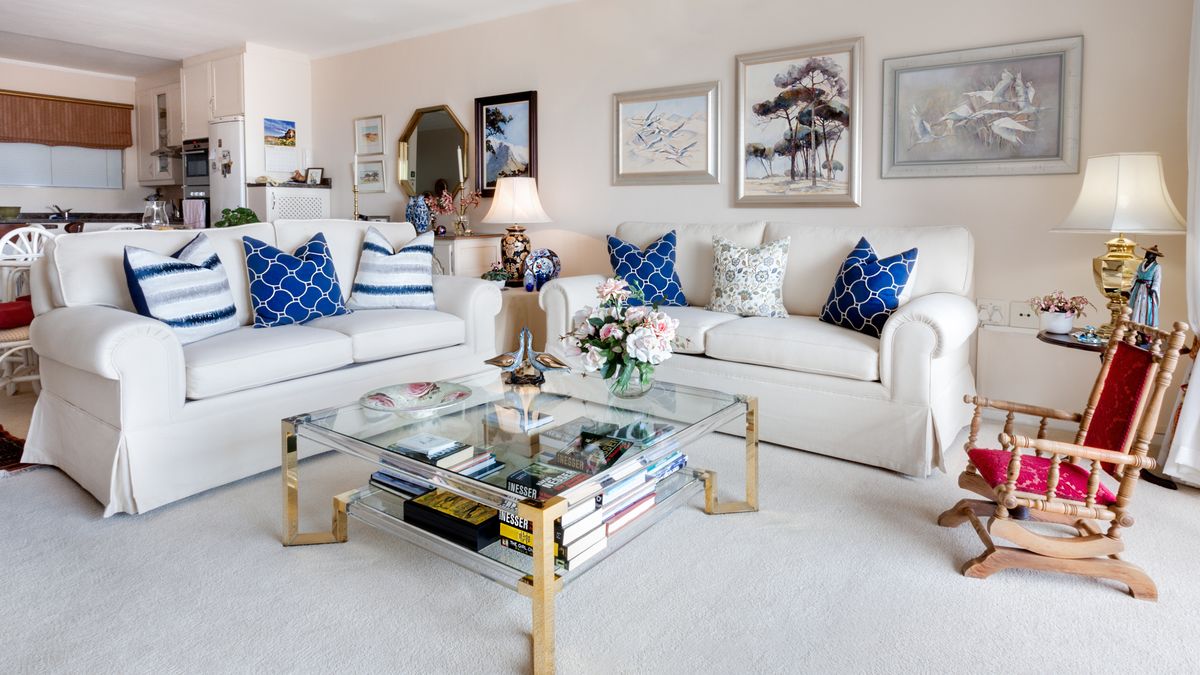
There's a particular kind of sadness that comes with a sagging sofa. It's the piece of furniture you spend the most time on, yet it's often the first thing to look shabby. Before you start browsing for a replacement, it's worth remembering that most sofas are built to last far longer than their covers suggest. A few careful, budget-friendly touches can buy you years more comfort — and in a small flat or cosy living room, keeping a sofa you already know fits the space is a genuine advantage.
Here's how to refresh yours without spending a fortune.
Before you buy a single cushion, clean what you already have. Grime, body oils and dust dull fabric far more than most people realise, and a sofa that's simply dirty can look worn out when it isn't.
Start by vacuuming every surface, including the crevices and under the seat cushions, using the upholstery attachment. Then tackle stains according to the fabric. For most synthetic mixes, a solution of warm water and a small amount of mild washing-up liquid works well — test it on a hidden patch first, then dab rather than rub. For odours, sprinkle bicarbonate of soda over the whole sofa, leave it for at least an hour (overnight is better), then vacuum it away. It lifts stale smells and is remarkably cheap.
If your covers are removable and machine washable, check the label and wash them on a cool cycle. Air-dry rather than tumble-drying, which can shrink seams and warp foam. Leather sofas benefit from a dedicated cleaner followed by a conditioning balm to stop the surface cracking.
A washable slipcover is the single most effective way to change a sofa's appearance without replacing it. Modern stretch covers are far removed from the ill-fitting throws of years gone by. Look for one with separate seat and back sections, and choose a fabric with a bit of elastane so it grips rather than pools.
Measure your sofa properly — width, depth, height and the drop from the arm to the floor — before ordering. Tuck the excess firmly into the gaps between the arms and seats using a blunt tool like a wooden spoon handle, then smooth the fabric from the centre outwards. A cover in a neutral linen-look weave will make a small room feel calmer, while a deeper colour can hide everyday marks.
If a full cover feels like too much, a well-chosen throw works almost as well. Fold it lengthways, drape it over one arm and a section of the back, and let the ends fall naturally. It's an easy way to hide worn patches on arms, which are usually the first areas to go.
New cushions change the personality of a sofa more than almost anything else. As a rule, aim for an odd number and mix sizes: two large squares at each end and one smaller rectangular cushion in the middle works well on most three-seaters. Vary the textures — a cotton-linen blend, a soft velvet and a chunky knit — to add depth without spending much.
For a cosy look, stick to two or three colours that already appear elsewhere in the room. If you're on a tight budget, cushion covers are far cheaper than filled cushions; you can often refresh the whole sofa for the price of a decent takeaway. Plumping existing cushions regularly, and replacing flattened foam inserts with firmer ones, also makes a sofa feel new again.
Add a folded blanket over the back of the sofa or in a basket beside it. In a small space, a throw doubles as extra warmth in winter and a way to protect the fabric from everyday wear.
Little fixes make a disproportionate difference. If the frame creaks, tighten any visible bolts underneath with a spanner. Sagging seats can often be revived by swapping the cushions around and rotating them weekly, or by slipping a folded towel or a piece of firm foam under the base cushion to restore height.
In a compact room, how you arrange the sofa matters as much as how it looks. Keep the bulk of the seating against a wall if the room is narrow, and choose cushions that don't overwhelm the scale of the piece. A slim console or a narrow side table beside the arm gives you somewhere to put a cup without crowding the floor.
Finally, think about light. A tired sofa often looks worse than it is because it sits in shadow. A floor lamp angled towards the seating, or a warm bulb in a nearby lamp, will lift the fabric's colour and make the whole corner feel intentional. With a clean cover, fresh cushions and a bit of care, your old sofa can carry on being the cosiest spot in the house.

Hi, my name is Anthony kuber. I am artist and fashion designer.
I love to travel and writing blogging.
Your email address will not be published. Required fields are marked *
Software Developer & Writer
Hey, I'm Diva, a developer and writer blending code and creativity. I'm driven by a deep curiosity and a relentless pursuit of excellence. Join me as I craft digital solutions and captivating stories.


