
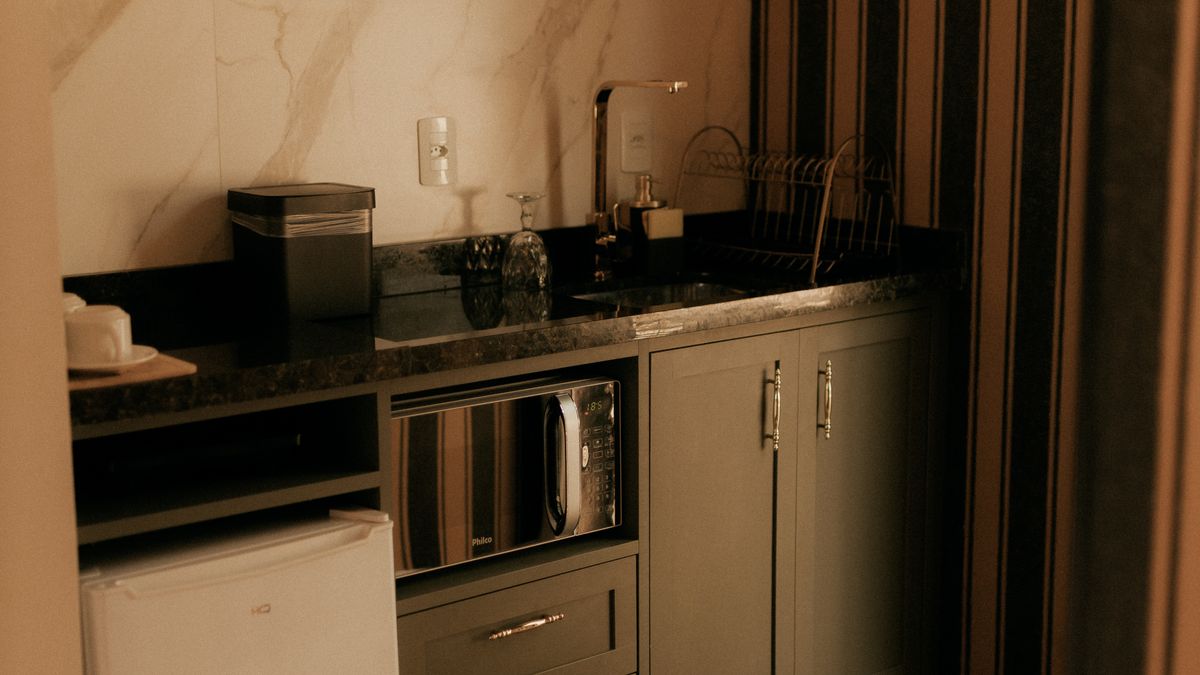
Any home with children, teenagers, pets or a partner who works shifts will tell you the same thing: sound travels. In a busy household, noise is rarely one thing. It is the clatter of a dishwasher, a television in the next room, a door slamming, footsteps overhead and three conversations happening at once. Put all of that into a compact flat or a terraced house with thin walls and it can feel genuinely overwhelming by mid-afternoon.
The good news is that most household noise is not a structural problem you need to solve with builders and budgets. It is a soft-furnishings problem. Hard surfaces — plaster, laminate, tiles, glass — bounce sound around a room like a squash ball off a wall. Soft surfaces absorb it. The more you can interrupt those reflections, the calmer your home will feel, and the easier it becomes for everyone to hear themselves think.
Bare floors are the single biggest culprit in most noisy homes. Every footstep, dropped toy and scraped chair leg ricochets straight off hard flooring and up into the rooms above. If you rent, or you simply do not want to carpet an entire ground floor, rugs are your quickest fix.
Felt pads under chair and table legs cost very little and stop the screech of furniture being dragged across a hard floor — a small detail that makes a surprising difference in an open-plan space.
Windows are thin, glassy and excellent at reflecting sound back into a room. Curtains help, but only if they are the right sort.
Walls can be softened too. A large canvas or framed textile piece, a tapestry, a gallery wall of chunky frames, or even a fabric pinboard above a desk all break up flat plaster. Bookshelves are quietly brilliant acoustic tools: a full bookcase with uneven spine heights and depths scatters sound rather than reflecting it cleanly. If you have a bare alcove, fill it with shelves and books.
Upholstered furniture absorbs sound in a way that hard chairs and glass-topped tables simply cannot. When you are choosing or rearranging pieces, think about how much fabric is in the room. A fabric sofa, a couple of armchairs with loose covers, cushions in a mix of textures, a knitted throw over the back of a chair — these are not just decorative touches, they are doing acoustic work.
Bedrooms benefit particularly. A bed with a fabric headboard, a valance and plenty of bedding absorbs noise well, which matters if you are trying to sleep while the rest of the house is still awake. In children's rooms, a fabric toy storage basket or a soft floor cushion adds absorption without taking up much space.
Absorbing sound is only half the solution. The other half is agreeing where noise is welcome and where it is not. In a busy household, the real stress often comes from people needing different things at the same time — one person on a video call, another watching television, a third trying to read.
Even a tiny flat can hold two or three of these zones if you plan them deliberately rather than hoping for the best.
Once the soft furnishings are in place, a few everyday habits protect the peace you have created. Close internal doors rather than leaving them ajar — a closed door is one of the cheapest acoustic barriers there is. Ask people to remove shoes indoors, which reduces impact noise and keeps rugs cleaner. Run noisy appliances such as the washing machine or dishwasher during the day if anyone works nights. Fit soft-close bumpers to cupboard doors and drawers to stop the constant bang of a busy kitchen.
None of these changes require a renovation or a large budget. A rug here, a pair of lined curtains there, a chair placed in a corner with a lamp beside it — together they turn a loud, echoing house into somewhere that feels noticeably gentler. In a busy home, that quiet is worth a great deal.

Hi, my name is Anthony kuber. I am artist and fashion designer.
I love to travel and writing blogging.
Your email address will not be published. Required fields are marked *
Software Developer & Writer
Hey, I'm Diva, a developer and writer blending code and creativity. I'm driven by a deep curiosity and a relentless pursuit of excellence. Join me as I craft digital solutions and captivating stories.


